The Psychological Influence of Color Schemes
Casino design heavily incorporates color psychology to manipulate emotions and behaviors. For instance, warm colors like red and gold are often used to create a sense of excitement and urgency, encouraging players to engage more actively with gambling activities. In contrast, cooler shades might instill a tranquil atmosphere, which can either soothe anxiety or, conversely, lead to a prolonged stay as players feel more comfortable. Moreover, many players are now exploring bitcoin betting sites that offer unique experiences tailored to enhance their gaming sessions. Understanding how these colors affect mood is critical in optimizing player engagement and maximizing time spent in the gaming environment.
Moreover, color combinations play a vital role in directing attention and guiding players through the space. Strategic use of contrasting colors can highlight certain games or areas, creating a flow that subtly influences player behavior and movement within the casino. The design choices related to color can ultimately impact not just the emotional state of the player, but also their decision-making patterns while gambling, leading to increased spending and longer visits.
Additionally, studies have shown that certain color palettes can enhance or diminish the perceived value of the gaming experience. For instance, the use of bright, vibrant colors can elevate feelings of euphoria and thrill, whereas dull colors might evoke a sense of boredom. Hence, casino designers often experiment with various color schemes during renovations or for new establishments, constantly re-evaluating the psychological impacts on player engagement and retention.
The Role of Layout and Flow
The physical layout of a casino has a profound impact on player behavior. A well-designed floor plan encourages players to explore and interact with different gaming options. Casinos often utilize winding corridors and strategic placement of gaming machines to compel players to walk through various sections, which can increase the likelihood of interaction with multiple games. This approach, known as “gaming circulation,” is critical to maximizing exposure and, subsequently, player spending.
Additionally, understanding the flow of movement in a casino allows designers to create enticing paths that lead players to high-traffic areas. By clustering popular games or introducing attention-grabbing marketing displays in these pathways, casinos can direct behavior subconsciously. This is why many establishments place their most popular or profitable games in strategic locations where foot traffic is highest, ensuring maximum visibility and engagement.
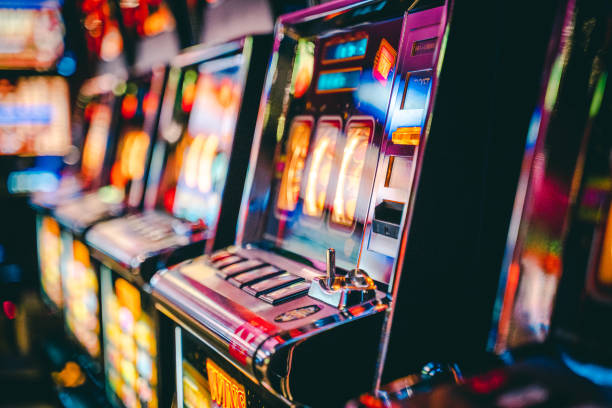
Furthermore, the layout also considers the social dynamics of player behavior. Areas designed for social interaction, such as bar sections or lounge spaces, can entice players to take breaks from gaming, which increases their overall time at the venue. The layout thus not only drives game engagement but also fosters social activities, creating a casino experience that encourages extended patronage.
Aural and Olfactory Design Strategies
The auditory experience within a casino is meticulously curated to enhance player engagement. From the sound of spinning slots to the subtle background music, each element is designed to evoke particular emotions and settings. Research indicates that sounds associated with wins, such as celebratory chimes, can trigger excitement and encourage players to continue gaming. Conversely, calming background music can create a more relaxed atmosphere that encourages prolonged stay without overwhelming players.
Soundscapes are not the only sensory elements at play; the olfactory environment also heavily influences player behavior. Casinos often use specific scents, such as vanilla or citrus, to create an inviting atmosphere. These scents can trigger positive emotional responses and foster a sense of comfort, leading to longer visits and increased spending. By designing these sensory experiences, casinos create environments that make players feel happy and engaged.
The combination of these auditory and olfactory designs creates a multi-sensory experience that captivates players, often without them even realizing it. As players become more immersed in the atmosphere, their focus shifts toward gaming, enhancing their overall experience and increasing the time spent within the venue. This sensory manipulation serves as a core element of casino design aimed at boosting revenue and engagement.
The Influence of Lighting on Player Engagement
Lighting design in casinos is a crucial factor driving player behavior. The use of bright, vibrant lights can create an exhilarating atmosphere, attracting players to slot machines and table games. Strategic spotlights highlighting high-stakes games or promotions can also draw attention and entice players to participate. Conversely, softer ambient lighting can create zones of relaxation, allowing players to take breaks while preserving their interest in the gaming environment.
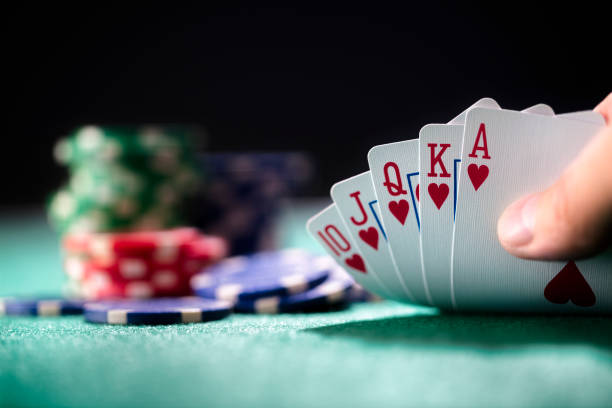
Another aspect of lighting design is the ability to manipulate players’ perceptions of time. Casinos often employ a lack of natural light to create an illusion of timelessness, making it difficult for players to gauge how long they have been gaming. This concept plays into the overall strategy of increasing visitor duration and, consequently, the likelihood of spending more money over time.
Furthermore, the placement of lighting fixtures can affect social dynamics within the casino. Brightly lit areas promote excitement and interaction, while dimmer areas can encourage quiet gaming and introspection. By understanding these effects, designers can create spaces that cater to various player preferences and behaviors, ultimately ensuring a more engaging and enjoyable experience for all visitors.
Website and Community Engagement
The importance of an engaging online presence cannot be understated in today’s casino landscape. Websites serve as the primary interface between casinos and potential players, making it essential to create an attractive and informative platform. A well-designed website not only reflects the physical design elements of the casino but also provides critical information about gaming options, promotions, and events, enhancing overall player engagement.
Moreover, online communities and social media platforms have become vital for player interaction and engagement. Casinos that foster these online communities can create a sense of loyalty among players, offering them a platform to share experiences and connect with others. This engagement leads to increased visitation and spending in the physical casino as players feel more connected to the brand.
In conclusion, integrating effective design strategies on both physical and digital fronts can significantly influence player behavior. Casinos that understand and analyze these hidden factors can tailor their environments to optimize player experience and retention, ultimately leading to higher revenues. This comprehensive approach ensures that casino design not only captivates players within the venue but also resonates with them online, creating a seamless gaming experience that fosters lasting connections.